
Introduction
In today’s digital world, consumers are more likely to trust recommendations from people they follow than traditional advertisements. Whether it’s a product review on YouTube, a fashion reel on Instagram, or a technology expert’s opinion on LinkedIn, influencers have become powerful voices that shape purchasing decisions. This shift has made Influencer Marketing one of the most effective strategies for brands to connect with their target audience.
Rather than simply promoting products, influencer marketing focuses on building authentic relationships and creating content that feels genuine and relatable. When used strategically, it helps businesses increase visibility, strengthen credibility, and drive customer engagement.
What is Influencer Marketing?
Influencer marketing is a digital marketing strategy in which brands collaborate with individuals who have a loyal and engaged audience on social media or other online platforms. These influencers promote products, services, or campaigns through content that aligns with their personal style and audience interests.
Influencers can be celebrities, industry experts, content creators, bloggers, or even micro-influencers with smaller but highly engaged communities. The success of influencer marketing depends not on the number of followers alone, but on trust, authenticity, and audience engagement.
Why is Influencer Marketing Important?
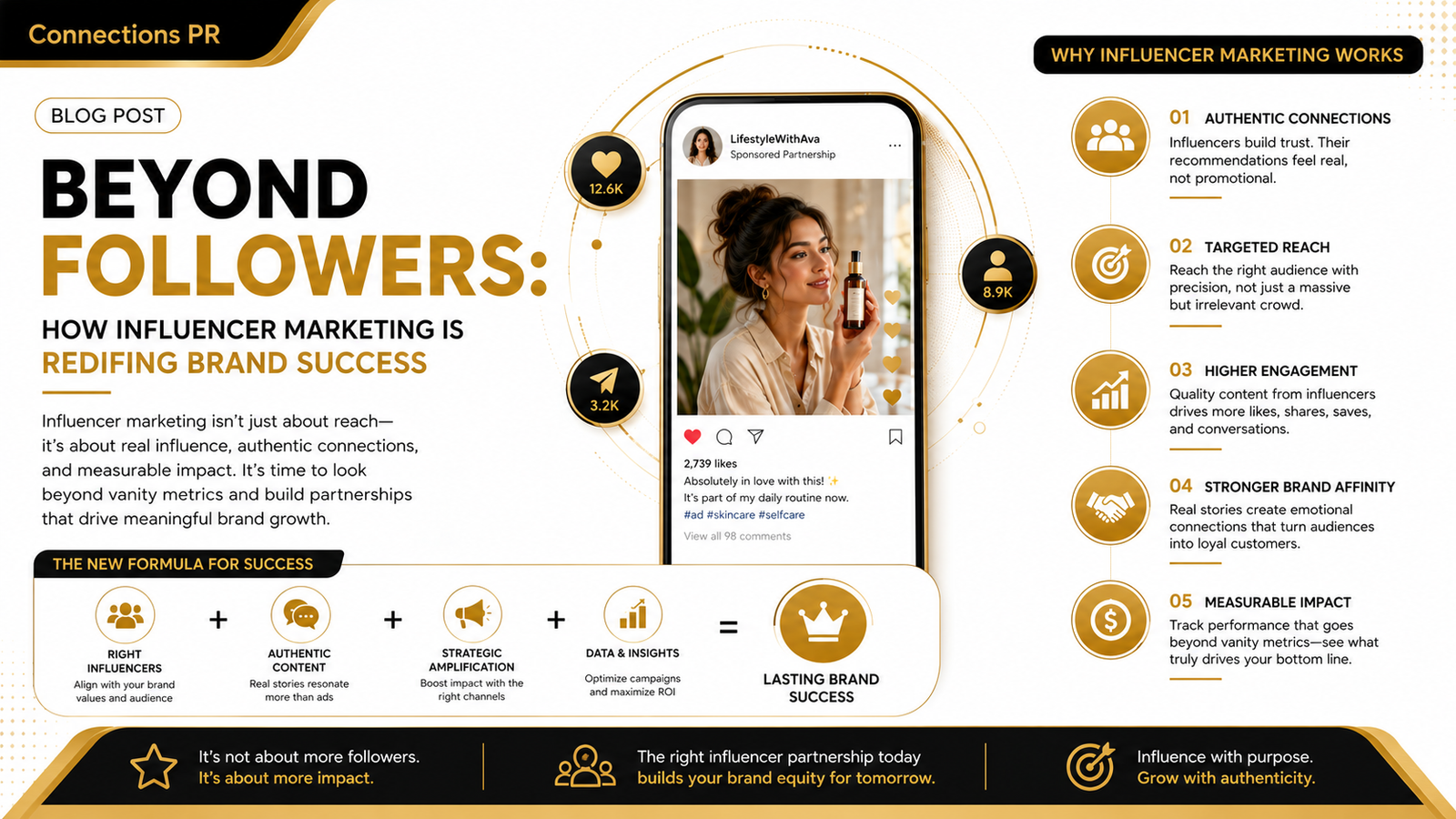
Modern consumers value recommendations from real people over traditional advertisements. Influencers create content that feels personal and trustworthy, making it easier for brands to reach potential customers in a meaningful way.
Influencer marketing helps businesses:
- Build trust and credibility.
- Build trust and credibility.
- Reach highly targeted audiences.
- Improve customer engagement.
- Boost sales and conversions.


When an influencer genuinely supports a product, their audience is more likely to explore and purchase it.
Key Elements of Successful Influencer Marketing
1. Choose the Right Influencer
The best influencer is not always the one with the largest following. Brands should partner with influencers whose values, content, and audience align with their goals. Relevance and credibility often deliver better results than popularity alone.
2. Focus on Authentic Content
Audiences quickly recognize overly promotional content. Successful campaigns encourage influencers to create honest, creative, and relatable content that reflects their own voice while highlighting the brand naturally.
3. Build Long-Term Partnerships
Long-term collaborations are more effective than one-time promotions. Consistent partnerships help audiences associate the influencer with the brand, creating stronger trust and long-lasting brand recognition.
4. Measure Campaign Performance
Brands should evaluate influencer campaigns using metrics such as engagement, reach, website traffic, conversions, and audience feedback. These insights help determine the campaign’s effectiveness and improve future strategies.
The Role of Social Media
Platforms like Instagram, YouTube, TikTok, LinkedIn, and Facebook have made influencer marketing an essential part of digital communication. These platforms allow influencers to connect directly with their followers through videos, stories, live sessions, and interactive content.
As social media continues to evolve, brands are increasingly collaborating with niche creators who have highly engaged communities rather than relying only on celebrity endorsements.
Best Practices for Influencer Marketing
Organizations can maximize the impact of influencer marketing by:
- Partnering with influencers who genuinely match their brand.
- Prioritizing authenticity over promotional content.
- Setting clear campaign objectives and expectations.
- Encouraging creative freedom for influencers.
- Monitoring campaign performance and audience engagement.
- Maintaining transparency in sponsored collaborations.
Conclusion
Influencer marketing has transformed the way brands communicate with consumers. It is no longer about reaching the largest audience but about building genuine relationships with the right audience. Authentic partnerships, engaging content, and trust are the foundations of every successful influencer campaign.
As digital platforms continue to grow, influencer marketing will remain a powerful strategy for businesses seeking meaningful connections with consumers. Brands that focus on authenticity, value, and long-term collaboration will be better positioned to build credibility, strengthen customer loyalty, and achieve sustainable success in the digital age.